VIETNAM - JAPAN ROUTE

Shipping to Japan

Gia Phú Express advises on shipping options from Vietnam to Japan based on product type, weight, size and actual receiving address.

Speak with our teamZalo ↗WhatsApp ↗

Illustration of Japanese parcels and landmarks as identified Gia Phú Express
Clear informationAdvice for your shipment
Suitable optionsAir or sea freight, where applicable
Easy to trackSupport throughout the journey
FIND A SHIPPING OPTION TO JAPANPrepare basic shipment details for advice

02 · SHIPPING RATES

Shipping rates to Japan

Rates transcribed from the source image. VND indicates the charge at each weight break; VND/kg indicates the rate per kilogram.

Regular product · 18 Apr 2026Cosmetics, food, general goods · Unit price VND/kg

WEIGHT BREAK / CONDITIONS PRICE / INFORMATION
1KG 400,000 VND/kg
1.5 – 4KG 380,000 VND/kg
4.5 – 9KG 200,000 VND/kg
9.5 – 15KG 160,000 VND/kg
15.5 – 35KG 150,000 VND/kg
+35 KG Contact Us

goods requiring special handling · 16 Mar 2026Food, cosmetics, goods requiring special handling · Unit price VND/kg

WEIGHT BREAK / CONDITIONS PRICE / INFORMATION
Below 2kg 950,000 VND/kg
2.5 – 5kg 430,000 VND/kg
5.5 – 10kg 230,000 VND/kg
10.5 – 20kg 195,000 VND/kg
20.5 – 30kg 170,000 VND/kg
30.5 – 40kg 160,000 VND/kg
40.5 – 50kg 150,000 VND/kg
On 50kg Contact Us
Exactly 2 kg Contact us for a quote
Information that needs further discussion · 2 group has no announced price yet

Door to DoorAddress-specific collection and delivery

INFORMATION QUOTATION
Origin Contact Us
Destination Contact Us
Cargo type Contact Us
Weight Contact Us
Dimensions Contact Us
Delivery requirements Contact Us
Notes Contact Us

Packaging & supportDepending on cargo condition

INFORMATION ADVICE
Carton Contact Us
Reinforcement Contact Us
Impact protection Contact Us
Fragile cargo Contact Us
Large shipments Contact Us
Pallet Contact Us
Other requirements Contact Us

See shipping service from Japan to Vietnam →

04 · VIDEOS

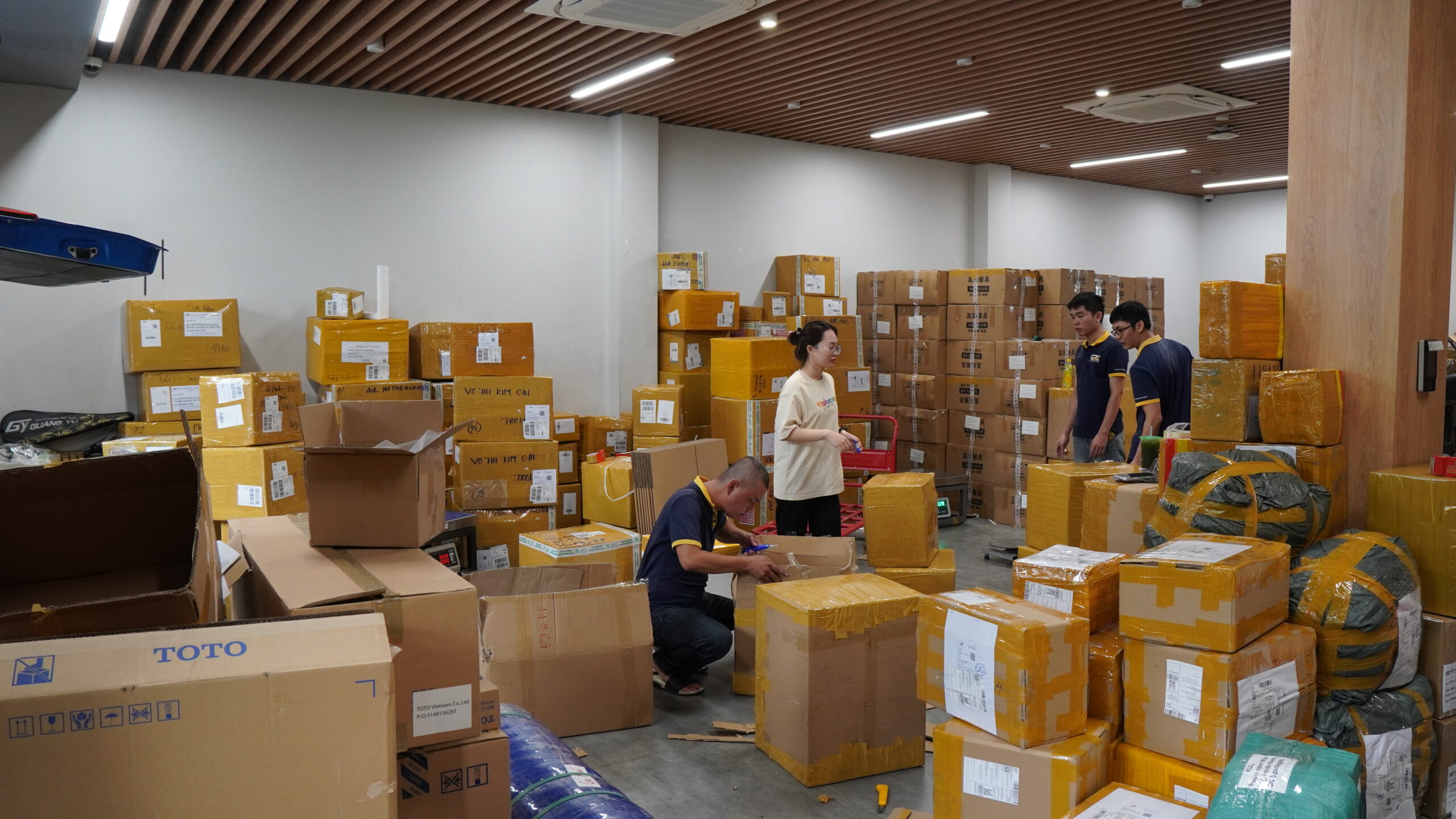
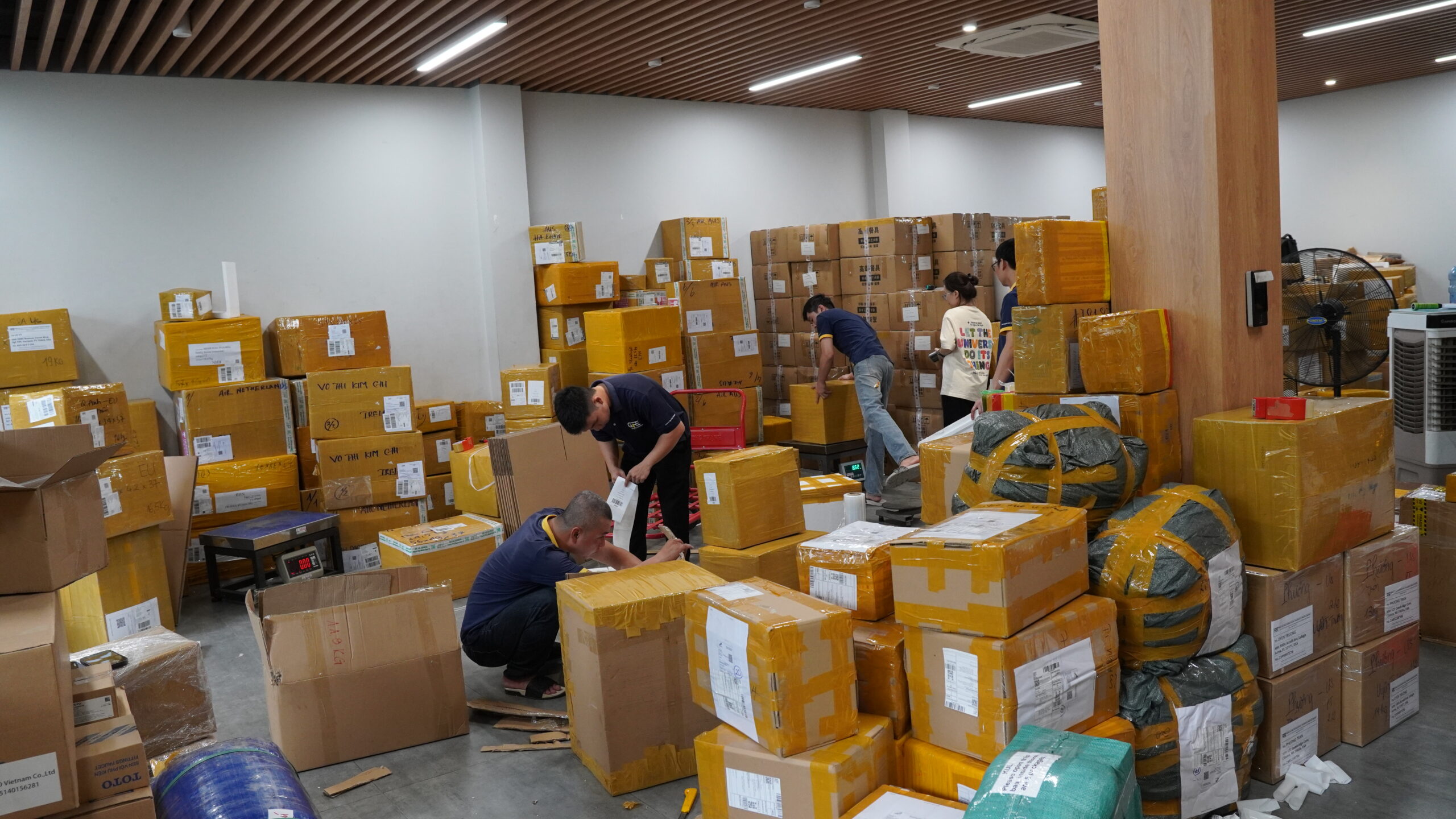
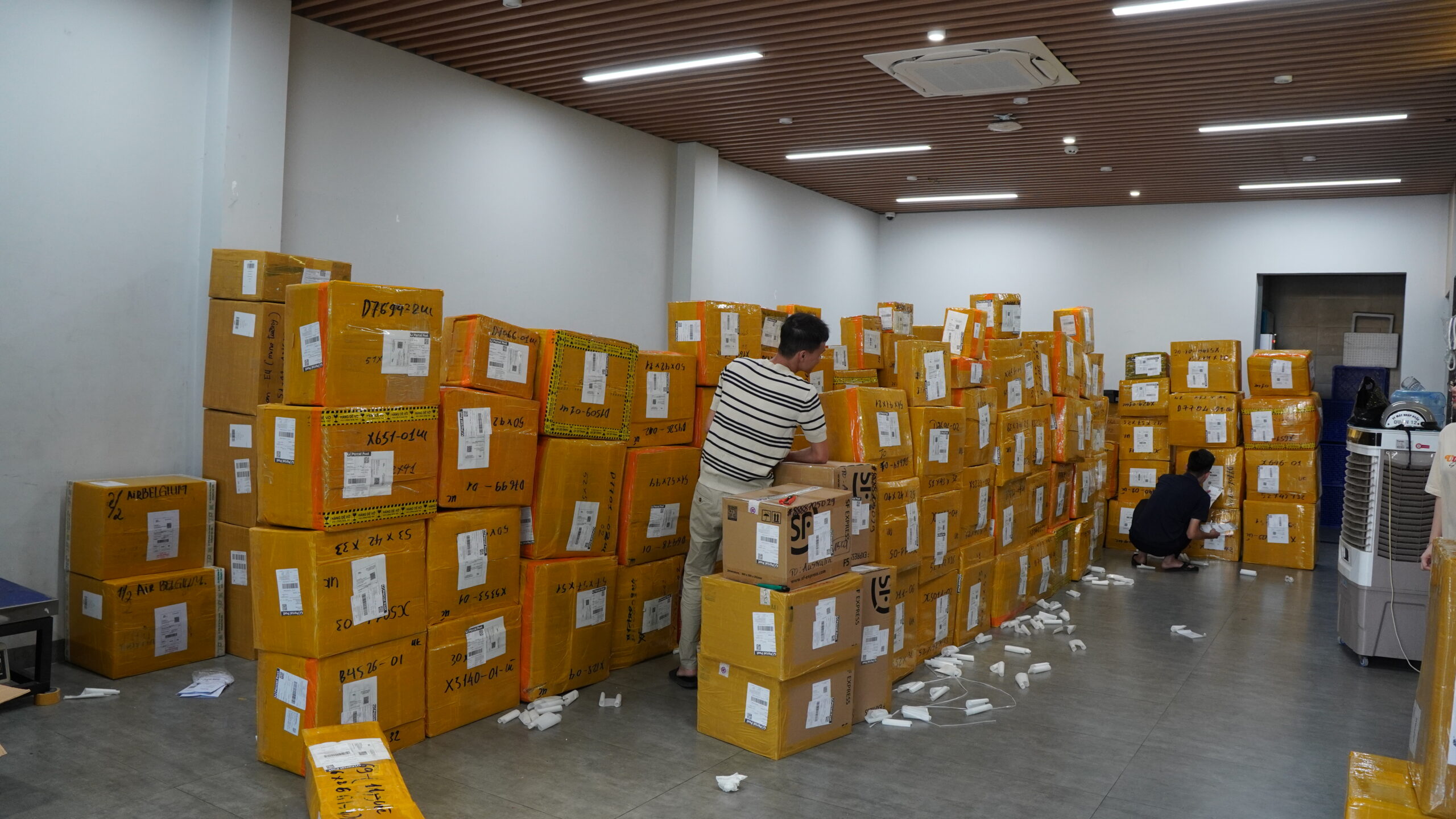
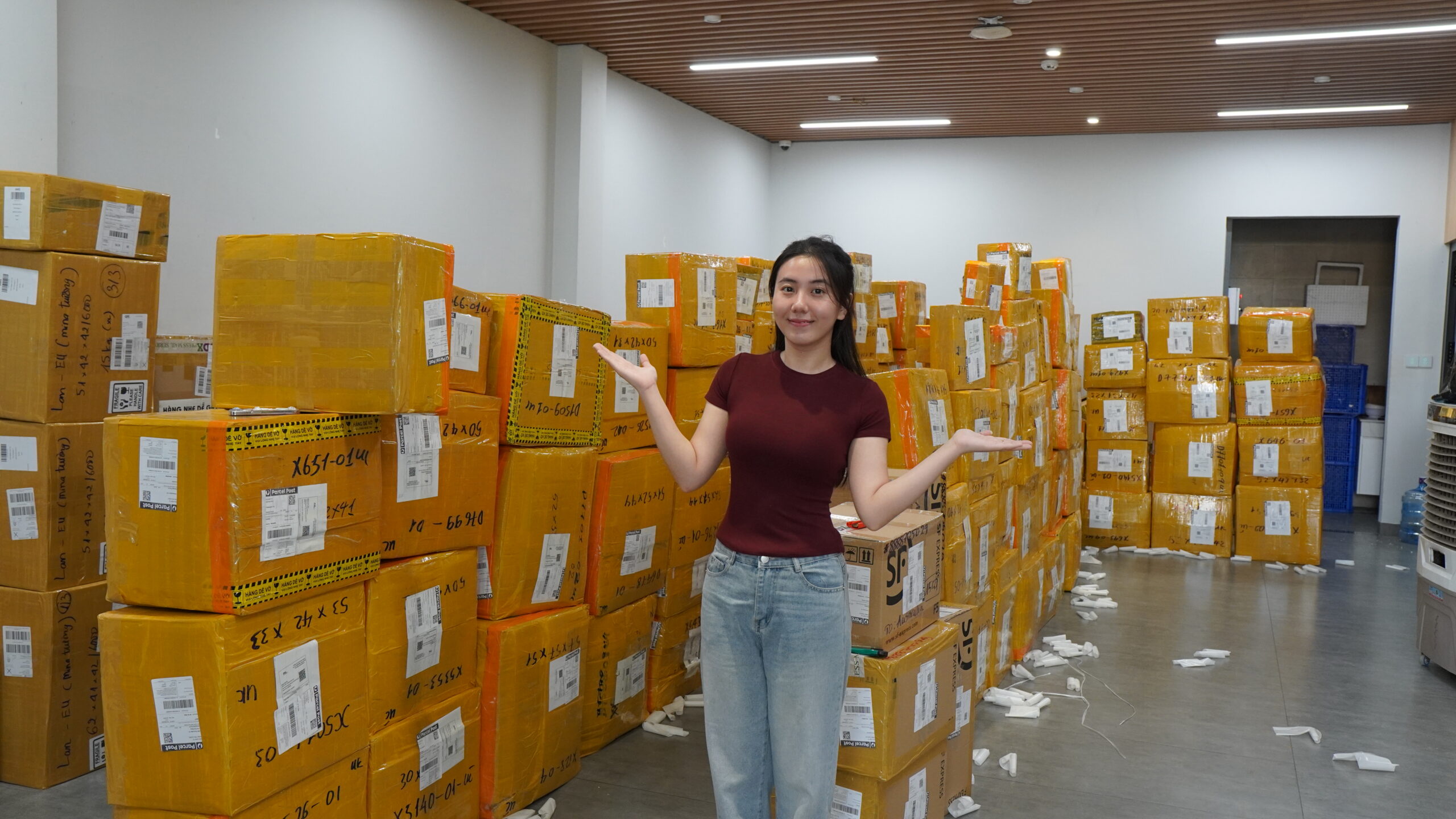
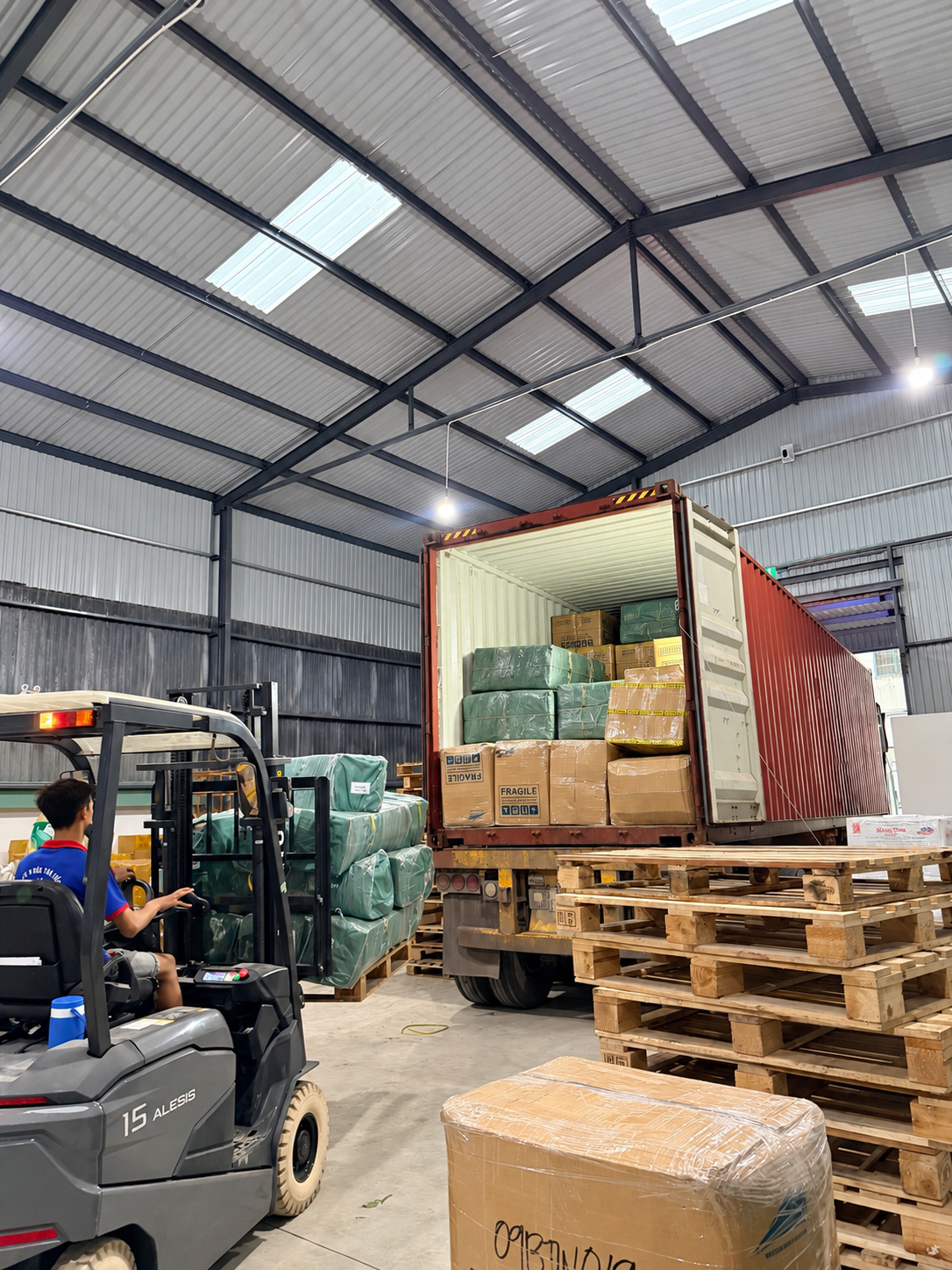
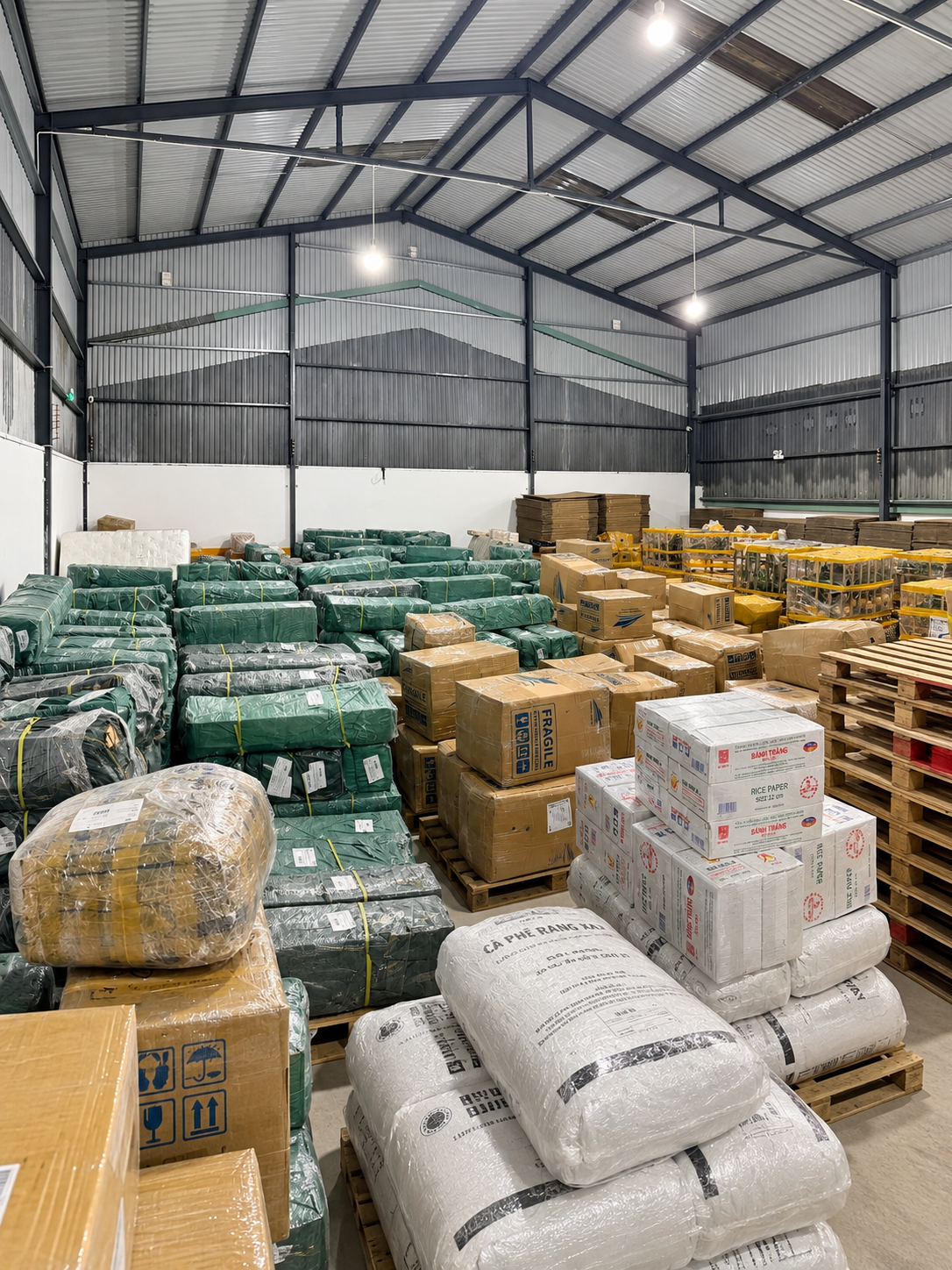
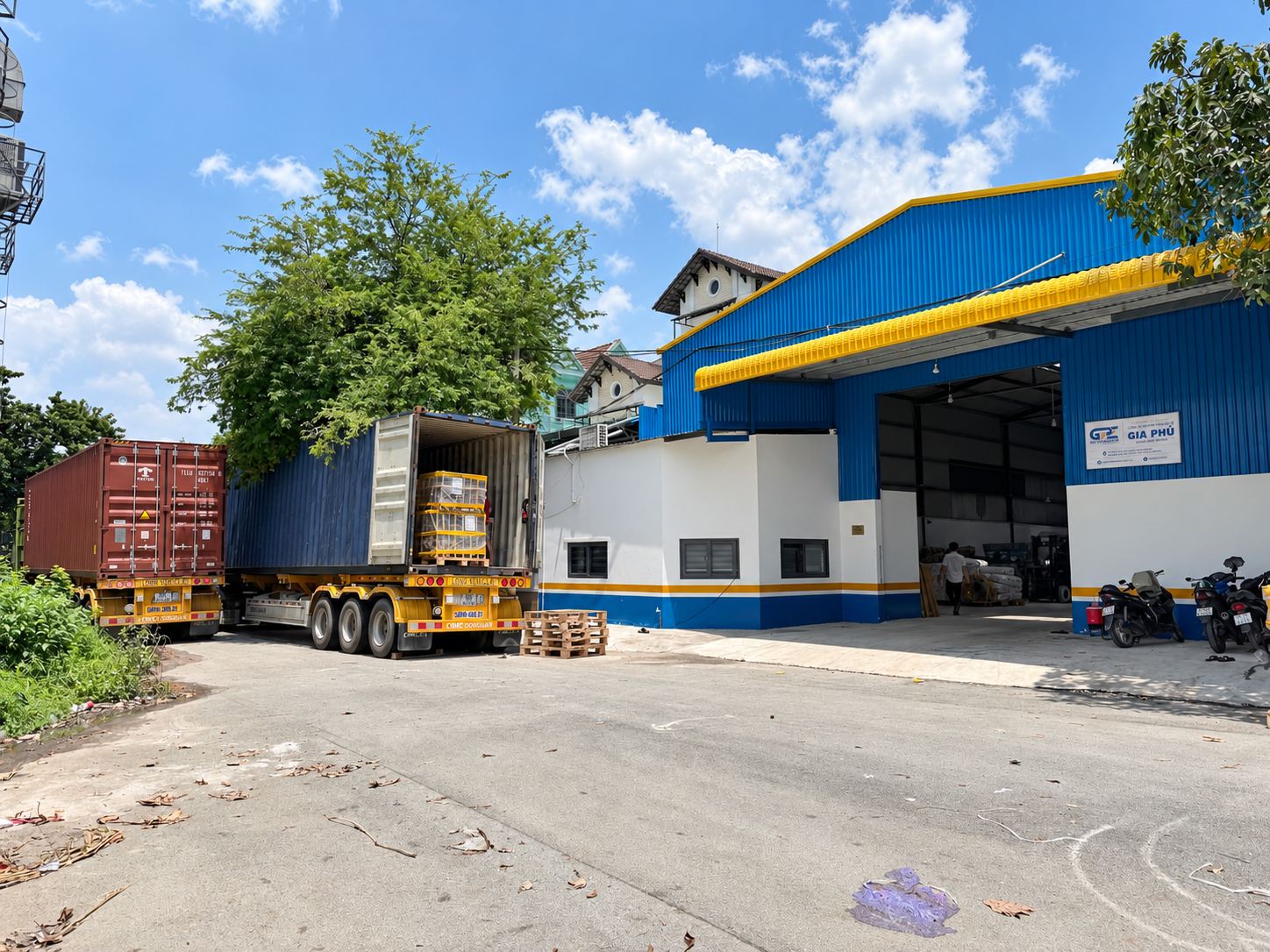
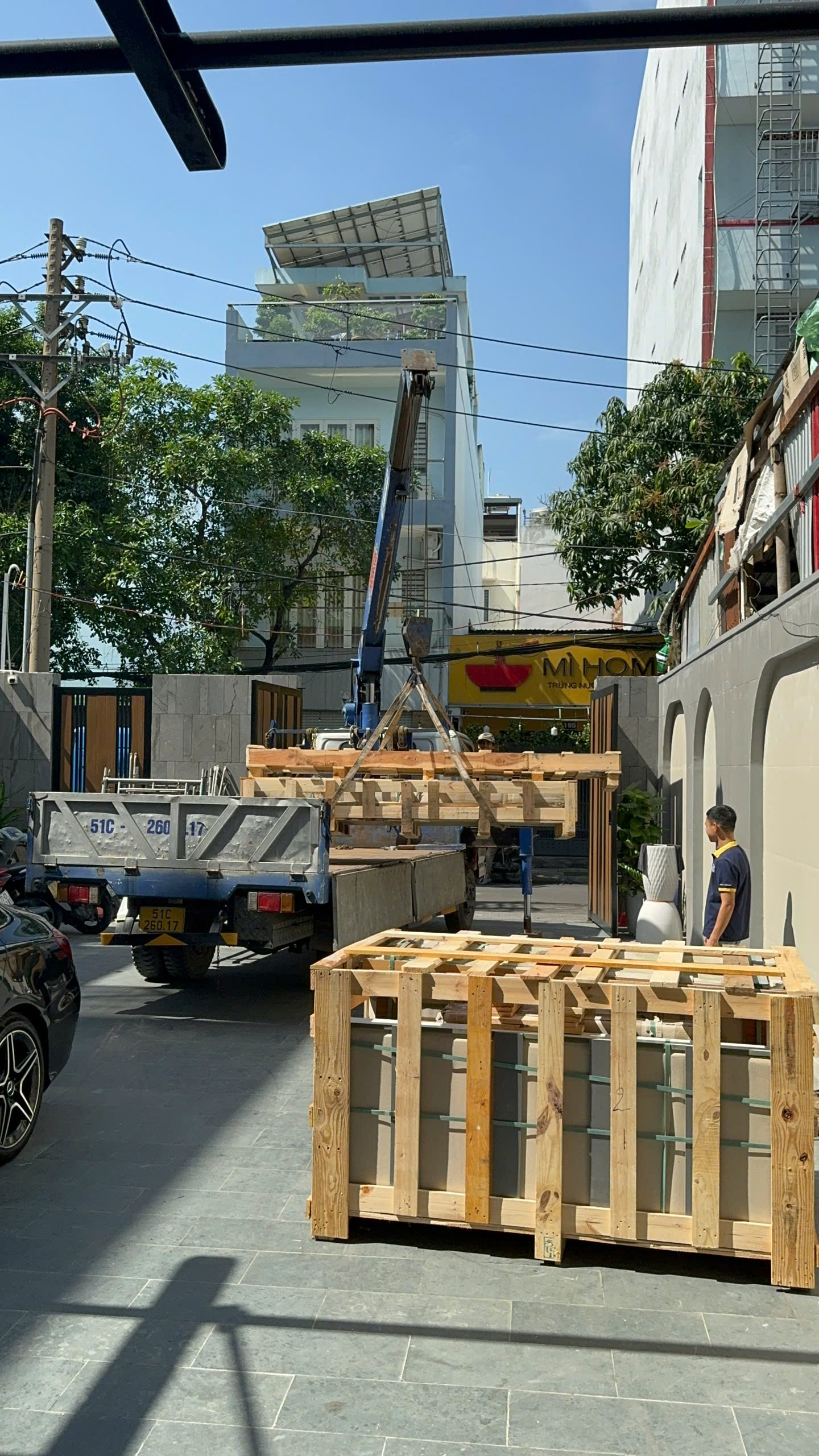
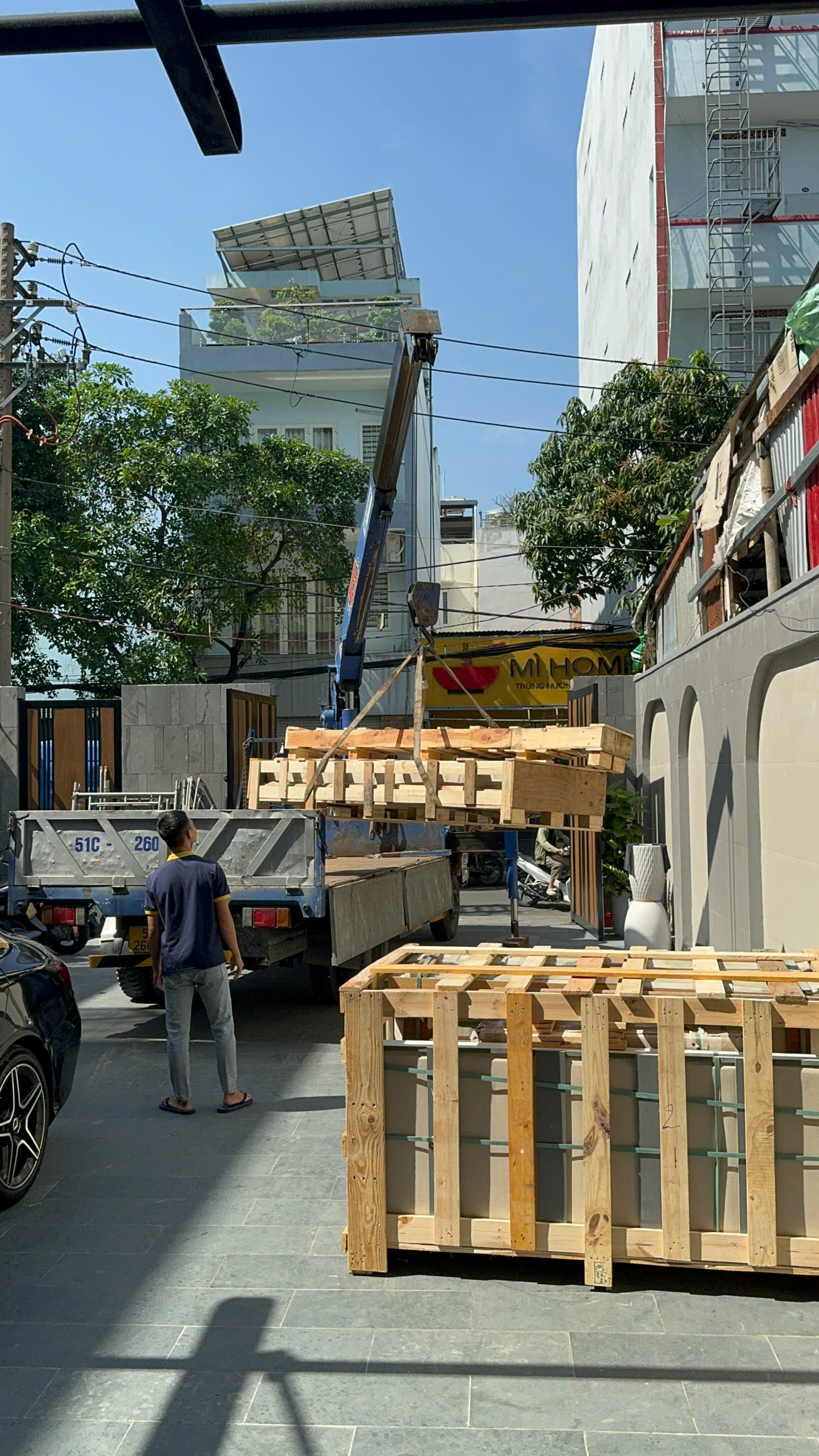
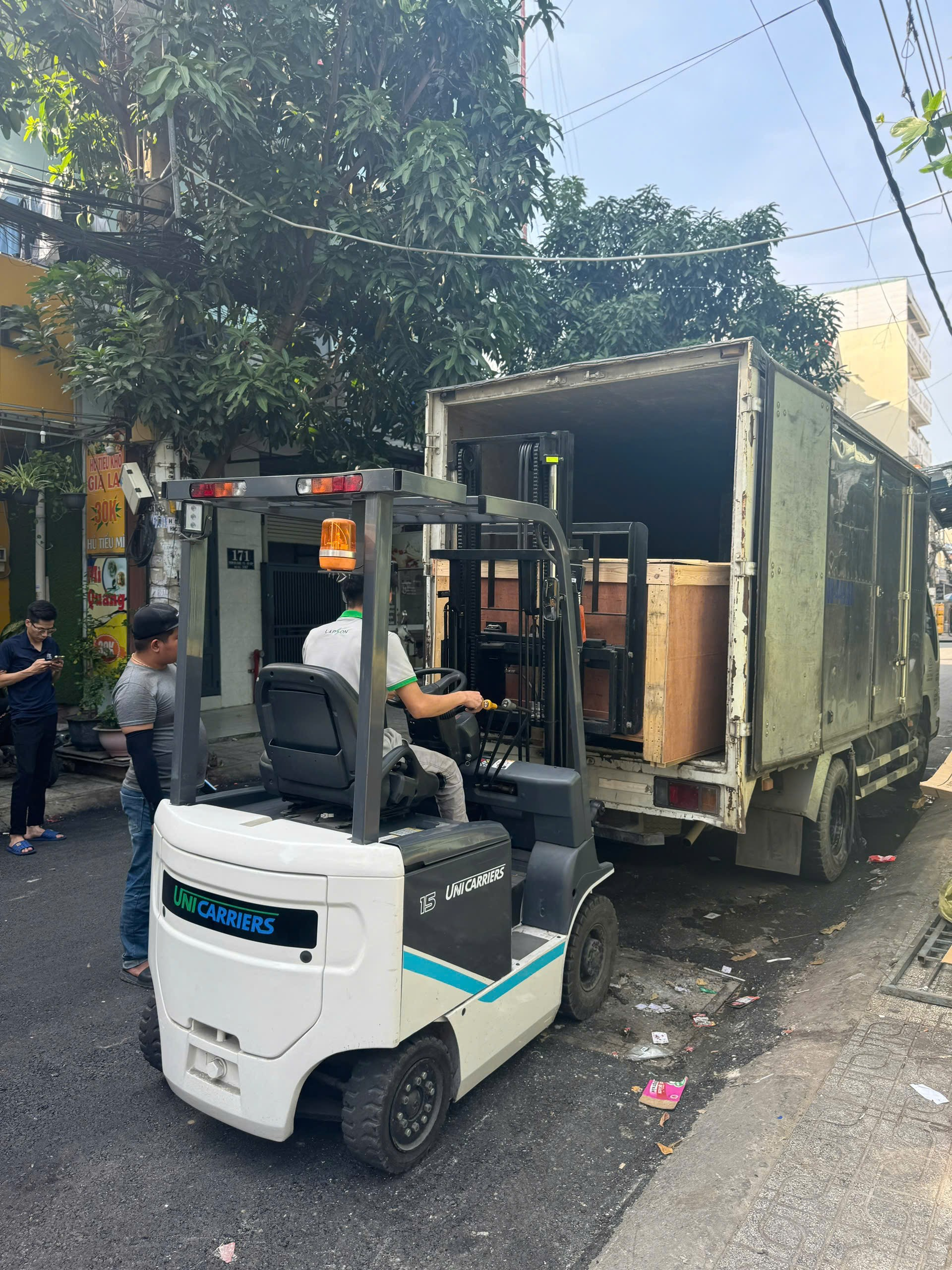
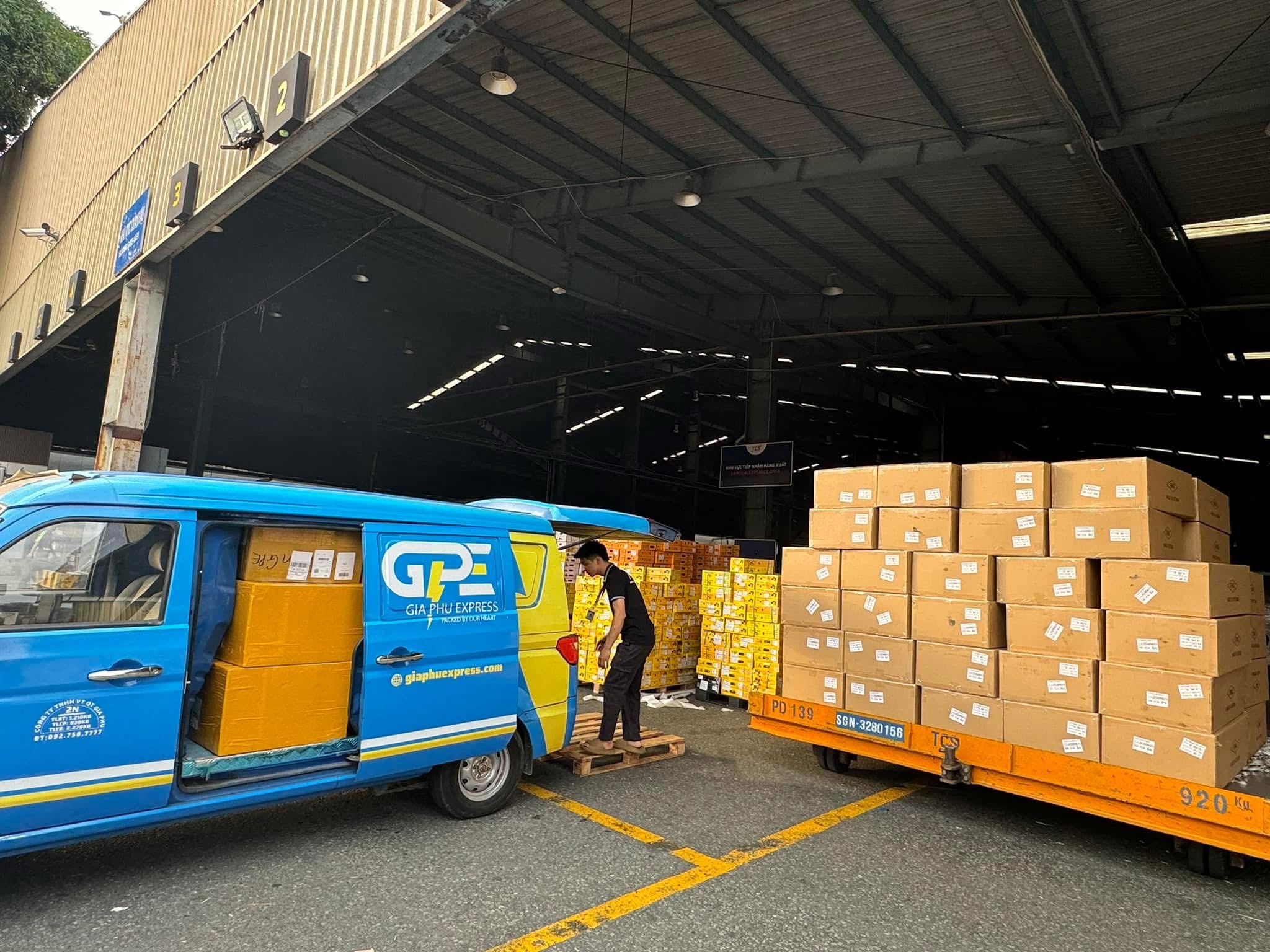
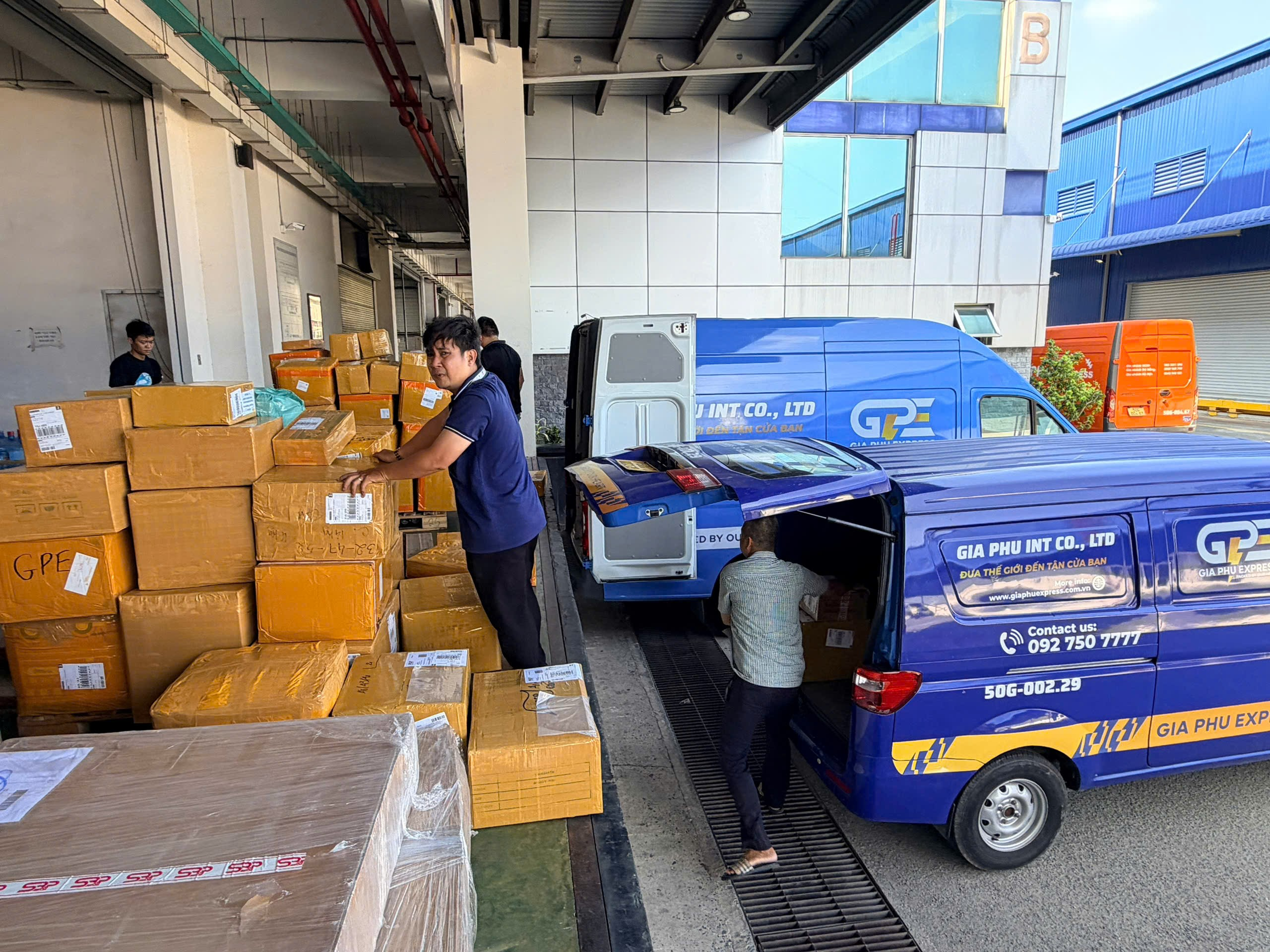
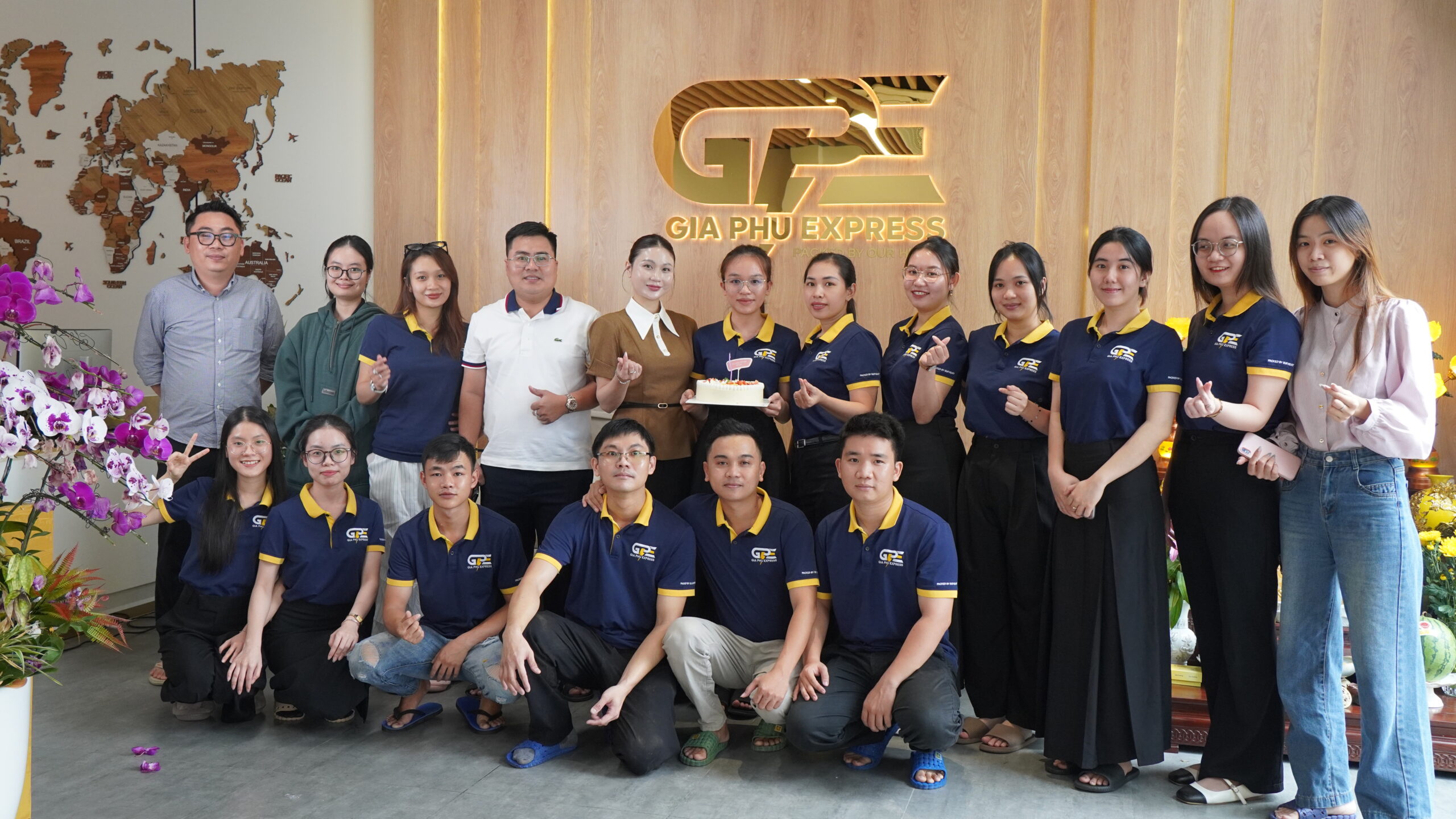
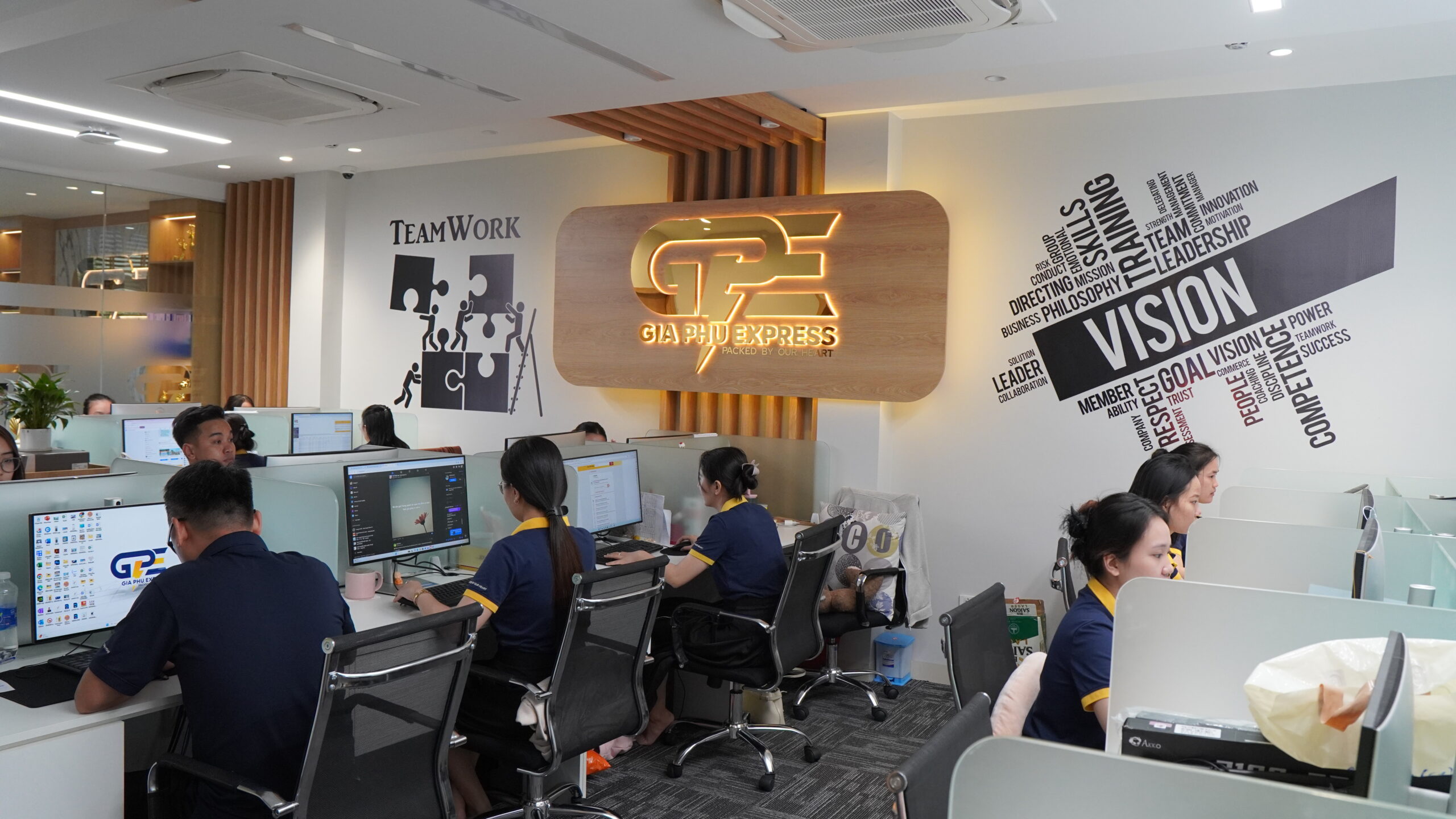
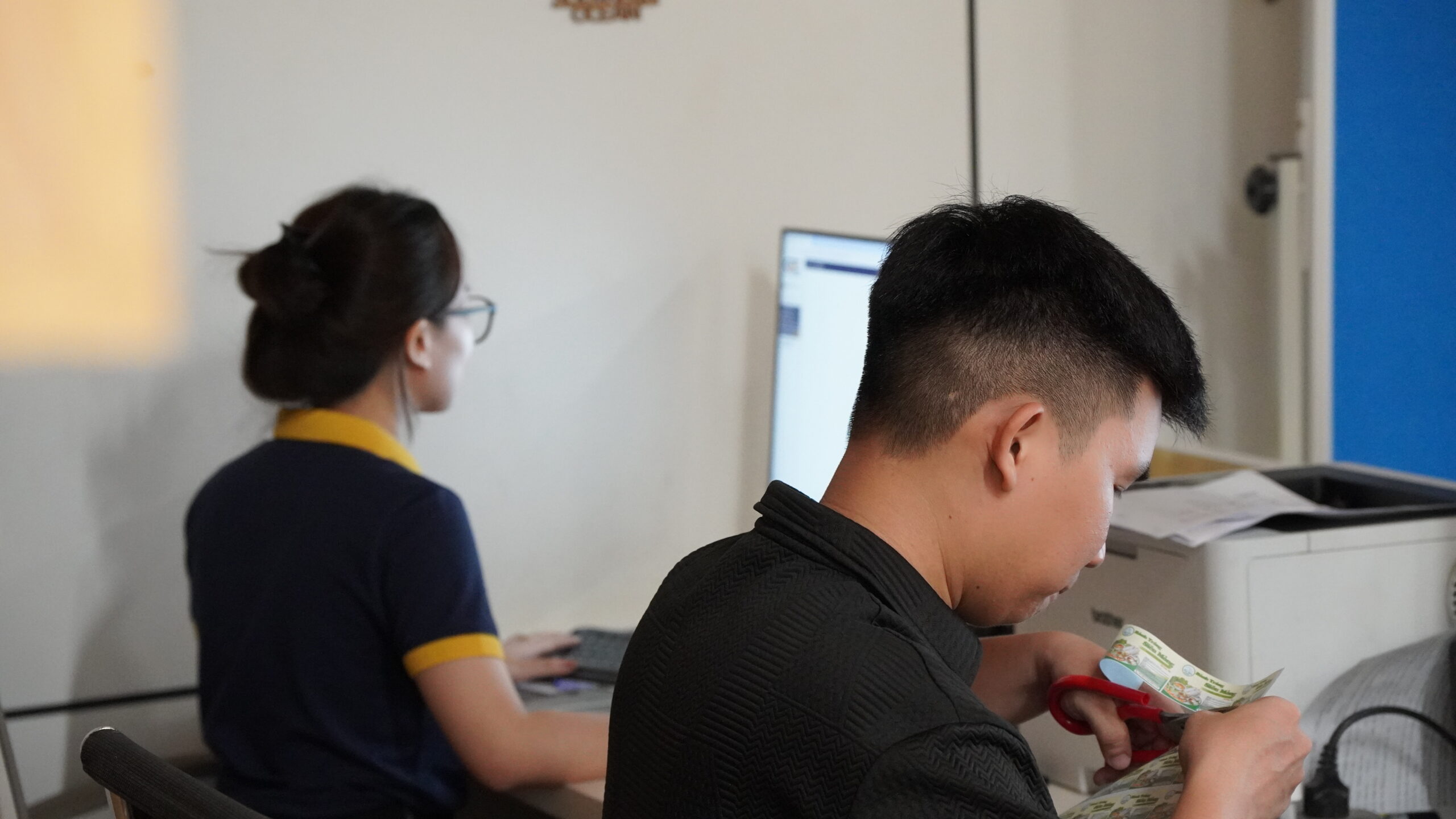
See Gia Phu's daily operations

Warehousing · Packing · Loading · Preparing for transport.

05 · SHIPPING OPTIONS

Choose a suitable option

The option to go to Japan is considered according to shipment characteristics, schedule needs, packaging and receiving address.

FlexibleAdvice based on your actual needs
Clear processInformation for each necessary step
Shipment-specificQuotes based on shipment details
Support availableAdvice during preparation
Shipping goods to Japan by air

AIR FREIGHT

Air freight

Discuss this option when schedules and handling requirements are key considerations.

  • Advice by cargo type
  • Check weight and dimensions
  • Discuss a suitable schedule

EXPLORE AIR FREIGHT →
Shipping goods to Japan by sea

SEA FREIGHT

Sea freight

This option must be assessed against volume, packing and the delivery location.

  • Advice for large shipments
  • Check packing requirements
  • Discuss ports and delivery locations

EXPLORE SEA FREIGHT →

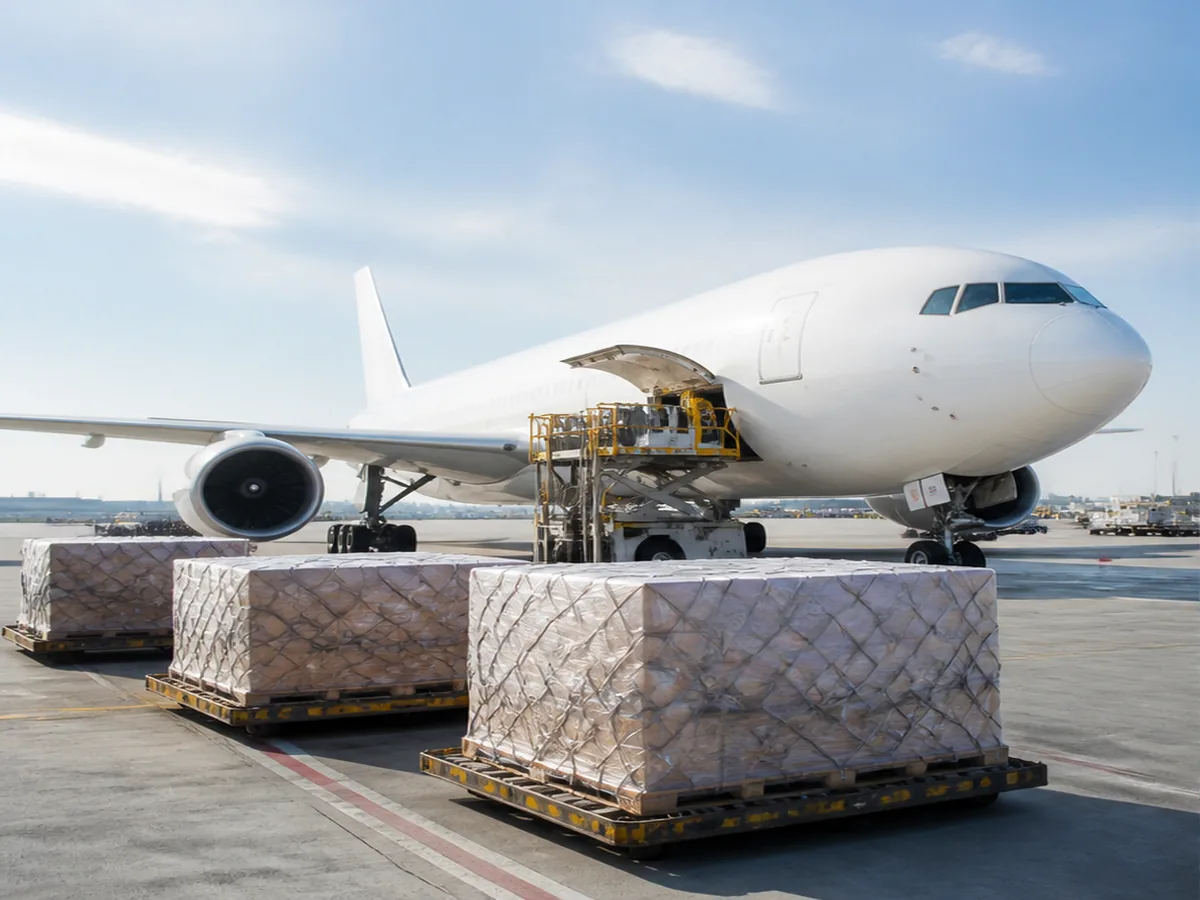
Cargo prepared for transport at the airport
06 · CARGO TYPES

Groups of goods sent to Japan

Select a cargo category for shipping conditions, packaging guidance and information to prepare before dispatch.

Food

Dry food, confectionery and packaged goods require checks

Food groups sent to Japan that need to be checked before receiving:

  • Seafood dried food: dried squid, dried fish, dried shrimp, sun-dried or heat-dried seafood.
  • Dry seasoning: five-spice powder, pepper, chili salt, satay; Fish sauce in small packets or powder form needs to be checked according to the destination country.
  • Confectionery and snacks: Hai Duong green bean cake, peanut candy, coconut candy, fruit jam, rice paper, snacks, cookies.
  • Dried fruit: dried jackfruit, dried banana, dried mango, dried plum; Sealed packaging, with labels and product information.
  • Sausage, floss, dried beef, dried pork: clearly declares animal ingredients and available documents; Need to confirm import conditions before sending. Vacuum sealing or having a hygiene certificate does not mean it is allowed to be imported.
  • Bird's nest, cordyceps, herbs: provides ingredients, origin, degree of processing and available certification to check receiving conditions.
  • Coffee, tea, dry drinks in packets: keeps packaging sealed, labels and ingredients clear; Clearly declare if there is milk or animal ingredients.
  • Packaged food: canned meat, canned food, canned fish, canned fruit, packaged vegetables, instant noodles, packaged pho, packaged noodles, packaged vermicelli; Check ingredients and destination country regulations.

Note: The above list is for consultation and inspection of items, not a confirmation that all items are allowed to be sent to Japan. Gia Phú checks according to receiving country, composition, quantity, sending purpose and documents before receiving goods.

Information to provide: food name, label photo and ingredients, expiration date, quantity, volume and intended use in Japan.

Before packing: specify whether goods are dry, fresh, frozen or contain animal or plant ingredients. Ask Gia Phu to check acceptance for the route before dispatching any goods.

Packing: keep labels clear and packaging sealed; discuss leak prevention, moisture protection and storage needs for your goods.

Clothing – Footwear

Fashion, accessories and fabrics

Information to provide: a list of clothing and footwear, materials, brands, quantities and whether items are new or used.

Purpose of shipment: clearly states personal items, gifts, samples or goods for business in Japan for Gia Phú to check for appropriate options.

Packing: dry items, protect against moisture and support the shape of shoes and bags; provide final box dimensions, item values and any available invoices.

Cosmetics

Ingredients and packaging must be checked

Information to provide: product name, brand, label photo and ingredients, capacity of each bottle, quantity and purpose of sending to Japan.

Items requiring individual checks: declare perfume, aerosols, alcohol-based products or liquids. Send product documents and safety data sheets, if available, so Gia Phu can assess shipping options.

Packing: retain original labels, seal containers, prevent leaks and add cushioning after acceptance has been confirmed.

Personal effects

Declare personal items and gifts clearly

Information to provide: lists each item in each box, quantity, condition and value; Clearly state personal items or gifts for the recipient in Japan.

Check each category: if a package includes food, cosmetics, medicines or battery-powered equipment, describe these separately for Gia Phu to check in advance.

Delivery preparation: recipient name, phone number, full address and postcode where applicable; confirm the delivery location and charges included in the quotation.

Electronics

Battery-powered equipment and components require checks

Information to provide: device name, model, purpose, new or used condition, quantity and value.

Declare batteries clearly: indicates whether there is a battery or not, whether the battery is built into the device or removable; Provide photos of battery specifications and product documents, if available. Gia Phú checks the plan to send to Japan before packing.

Packing: protect the device against impact, pack accessories separately and discuss battery packaging with the receiving branch.

Bulky cargo

Check dimensions, volume and packing

Information to provide: cargo photos, intended use, materials, number of packages, weight and length × width × height of each package.

Planning your shipment: specifies whether the item can be disassembled or not, requires wooden cases or pallets, and conditions for pickup and delivery in Japan.

Before confirming a price: agree on charge calculation, packing, loading and delivery arrangements for the actual address.

Food, cosmetics, liquids, goods with batteries and fragile goods need to have their contents, condition and packaging clearly described for inspection before being sent to Japan.

This list identifies cargo categories and does not confirm acceptance. Requirements and documents are checked against the product, quantity, purpose and shipping route. View prohibited and restricted items.

07 · NETWORK & RECEPTION POINTS

Cargo drop-off network

Reception and support points of the Gia Phú network in Vietnam and the Philippines. Contact in advance to choose the sending point and confirm the delivery plan for the Japan route.

08 · SHIPPING PROCESS

5 steps to start sending goods to Japan

This is a general process; individual shipments may require additional checks.

01Send details

Provide the cargo type, addresses and your requirements.

02Get advice

Discuss shipping options and pricing.

03Prepare your goods

Check, pack and complete the shipment information.

04Handover & transportation

Proceed according to the confirmed arrangement.

05Tracking & support

Support throughout the shipment journey.

Request a quote

Leave your shipment details and the Gia Phu team will contact you.


    Frequently asked questions

    How is the shipping price to Japan calculated?

    Prices depend on the cargo type, weight, dimensions, shipping method and delivery address. Gia Phu needs specific shipment details to quote.

    How long does it take to ship to Japan?

    Transit time depends on the shipping option, shipment characteristics, schedule and processing. The rate table dated 18 Apr 2026 indicates 2–3 days, excluding Saturdays and Sundays. The table dated 16 Mar 2026 indicates 4–6 days from the flight date, depending on the area. Confirm the schedule and delivery address before shipping.

    What information is needed to send food to Japan?

    Need to provide product name, ingredients, expiration date, packaging status and quantity for Gia Phú to check acceptability.

    Do Japanese addresses need to be transliterated?

    Please provide the exact address according to the recipient's information, including name and phone number. Gia Phú will discuss if additional recording methods are needed. Does

    accept fragile goods to Japan?

    Fragile goods need to be checked for condition, size and packaging before confirming the option.